
FINIX
Ferrofluid Implementations for Next generatIon eXploration
Our FINIX project is part of REXUS cycle 33/34 of the German-Swedish student program REXUS/BEXUS. The aim of this experiment is to test further space applications of ferrofluid.
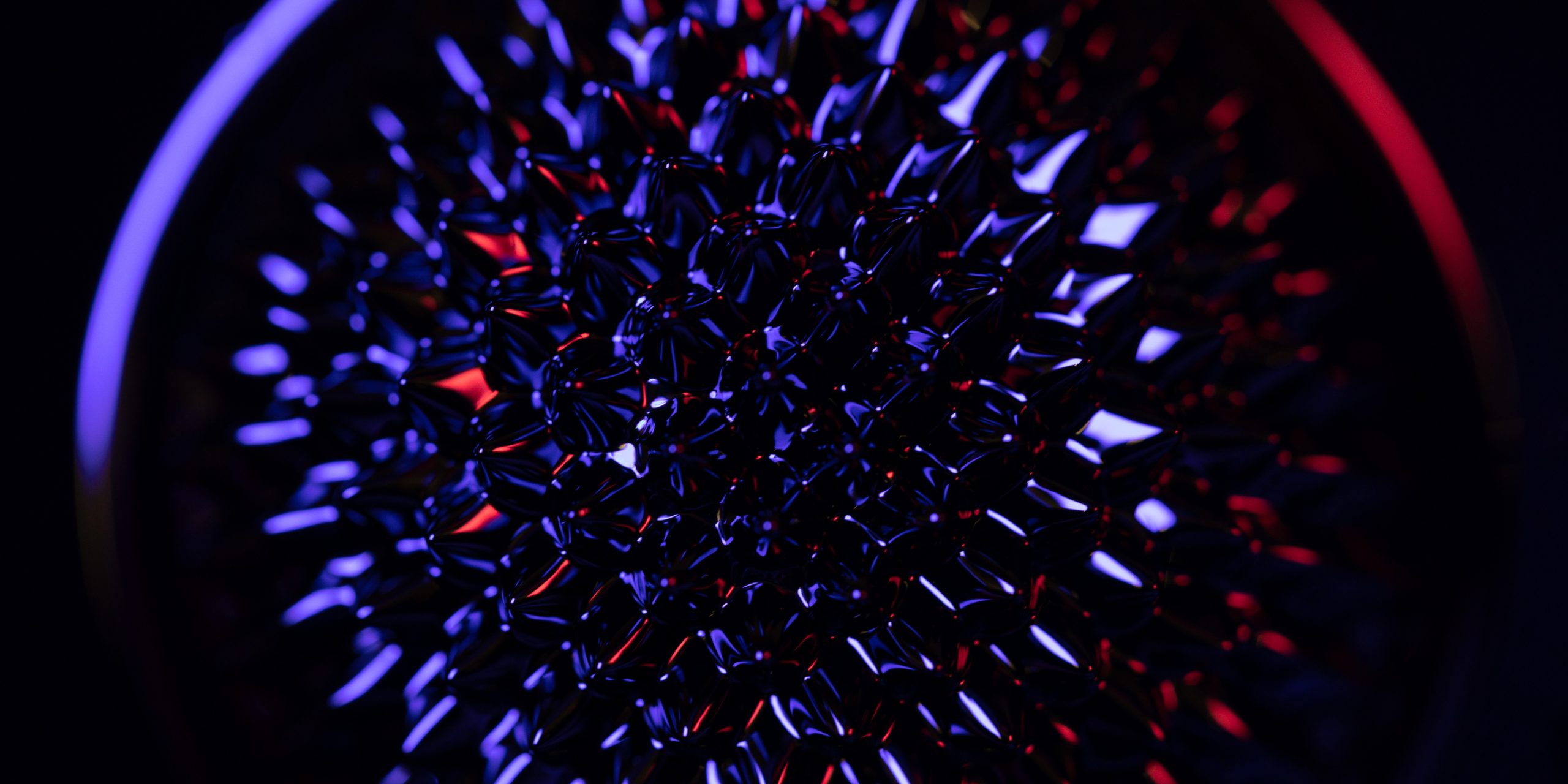
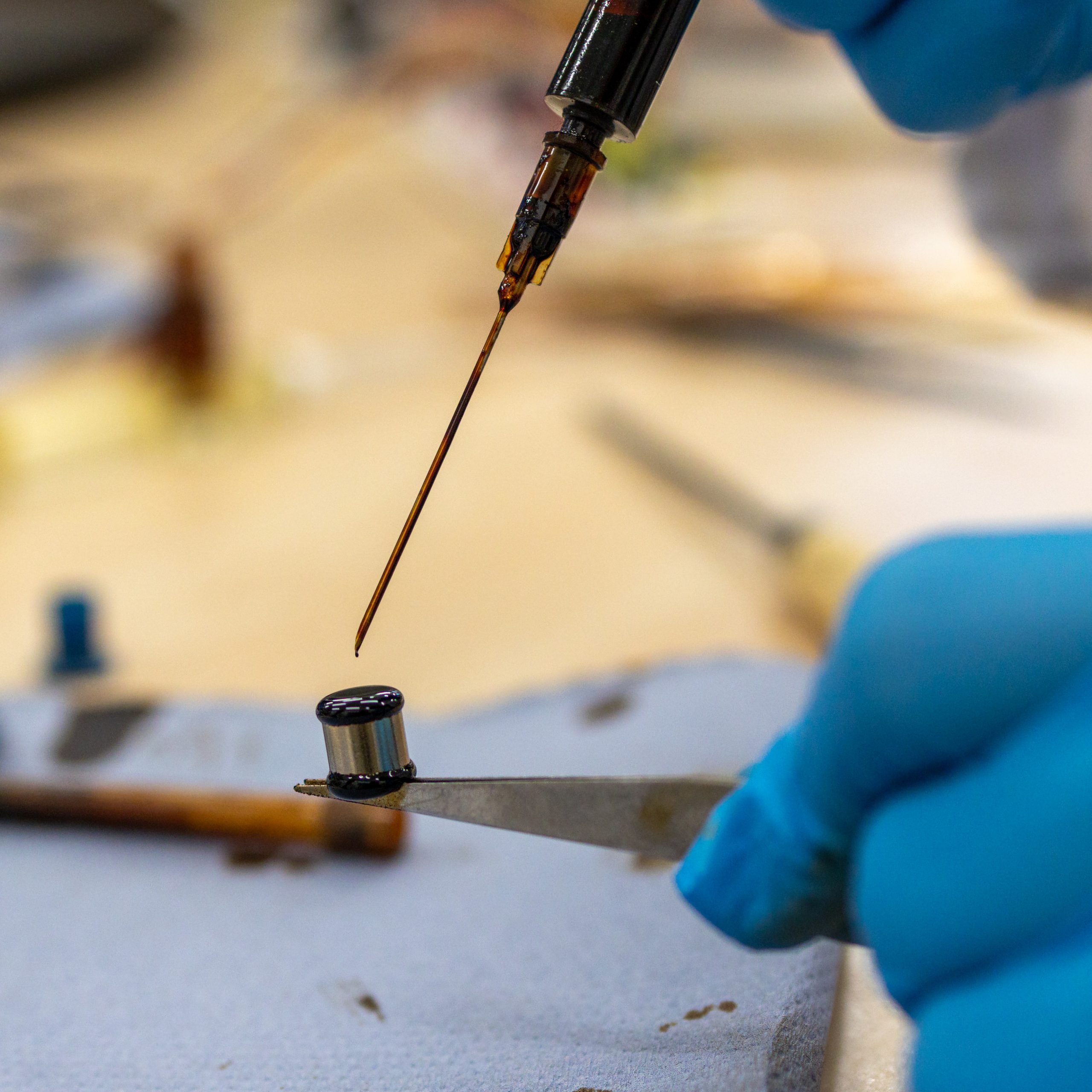
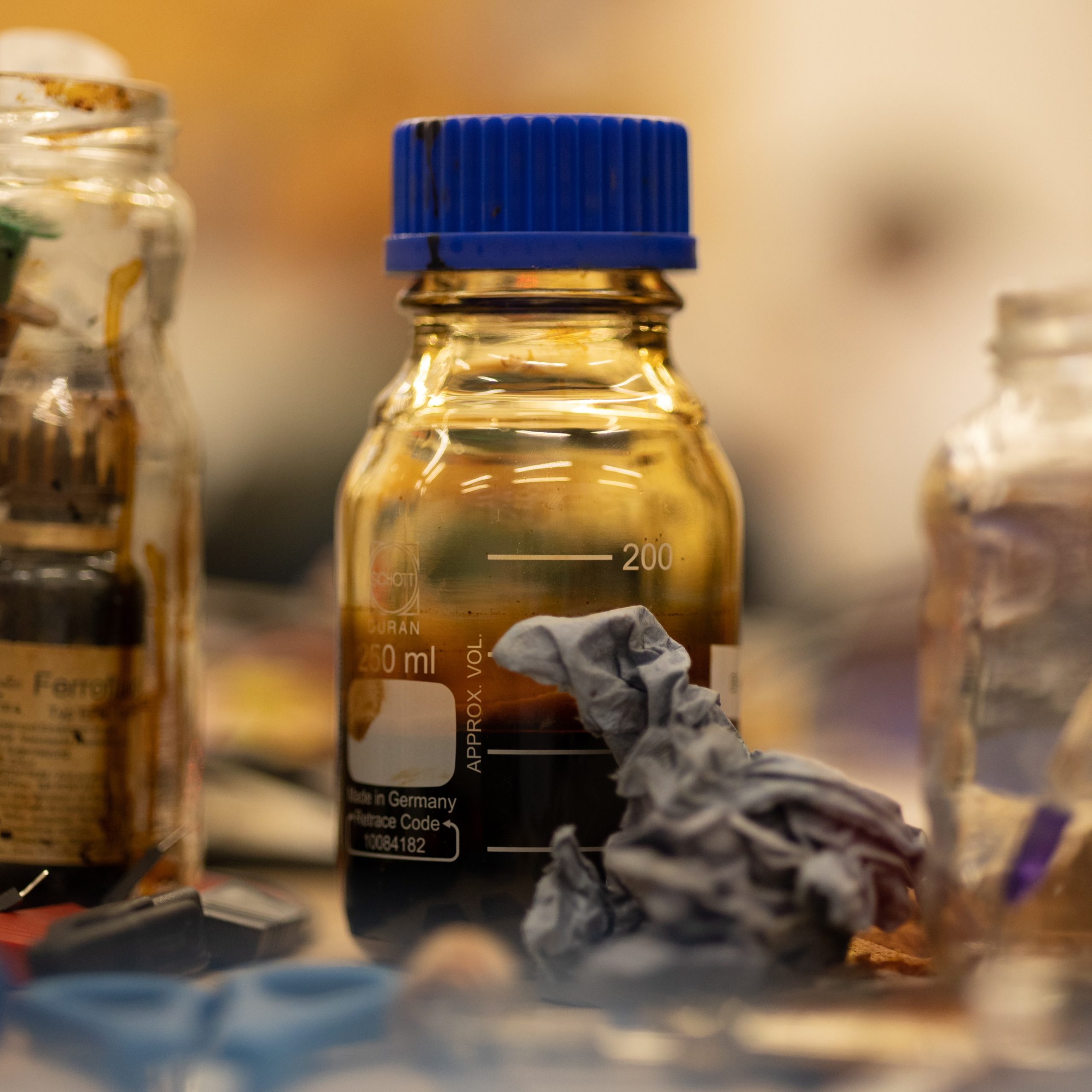
Ferrofluid consists of a carrier fluid, such as oil or water, and iron particles contained within it, which allow the ferrofluid to be moved by magnets. This property of ferrofluid is particularly helpful in aerospace applications, as it reduces the number of moving parts required and minimizes friction and wear.
If everything goes according to plan, our experiments will launch in 2025 on a REXUS rocket from northern Sweden, building on the successful flights of our previous ferrofluid projects PAPELL and FARGO. Our third ferrofluid project, FerrAS, has already completed its successful launch in March 2024, and the conclusions drawn from that launch can also be incorporated into the experiments.
Our Experiments
Electrical Switch
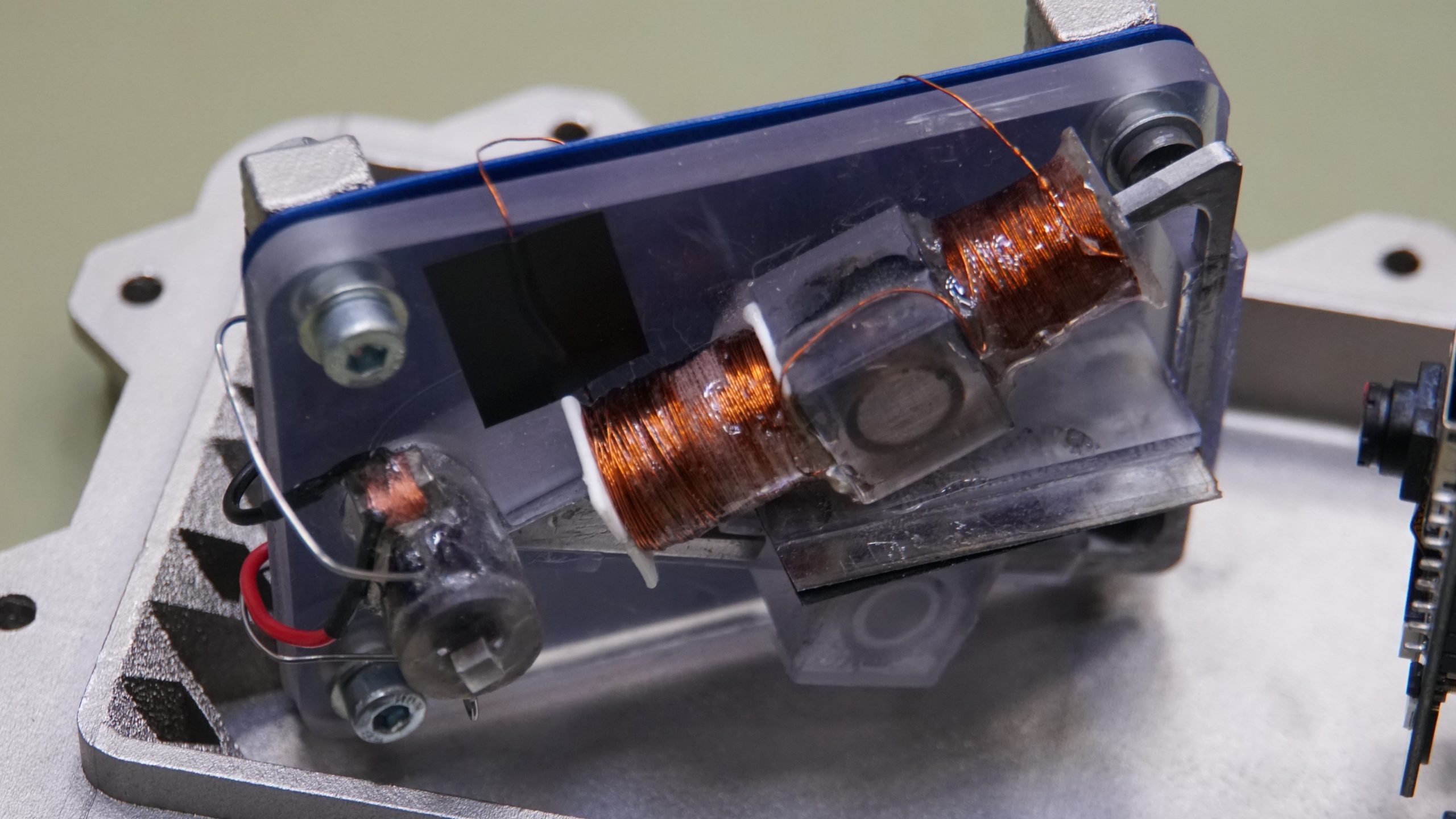
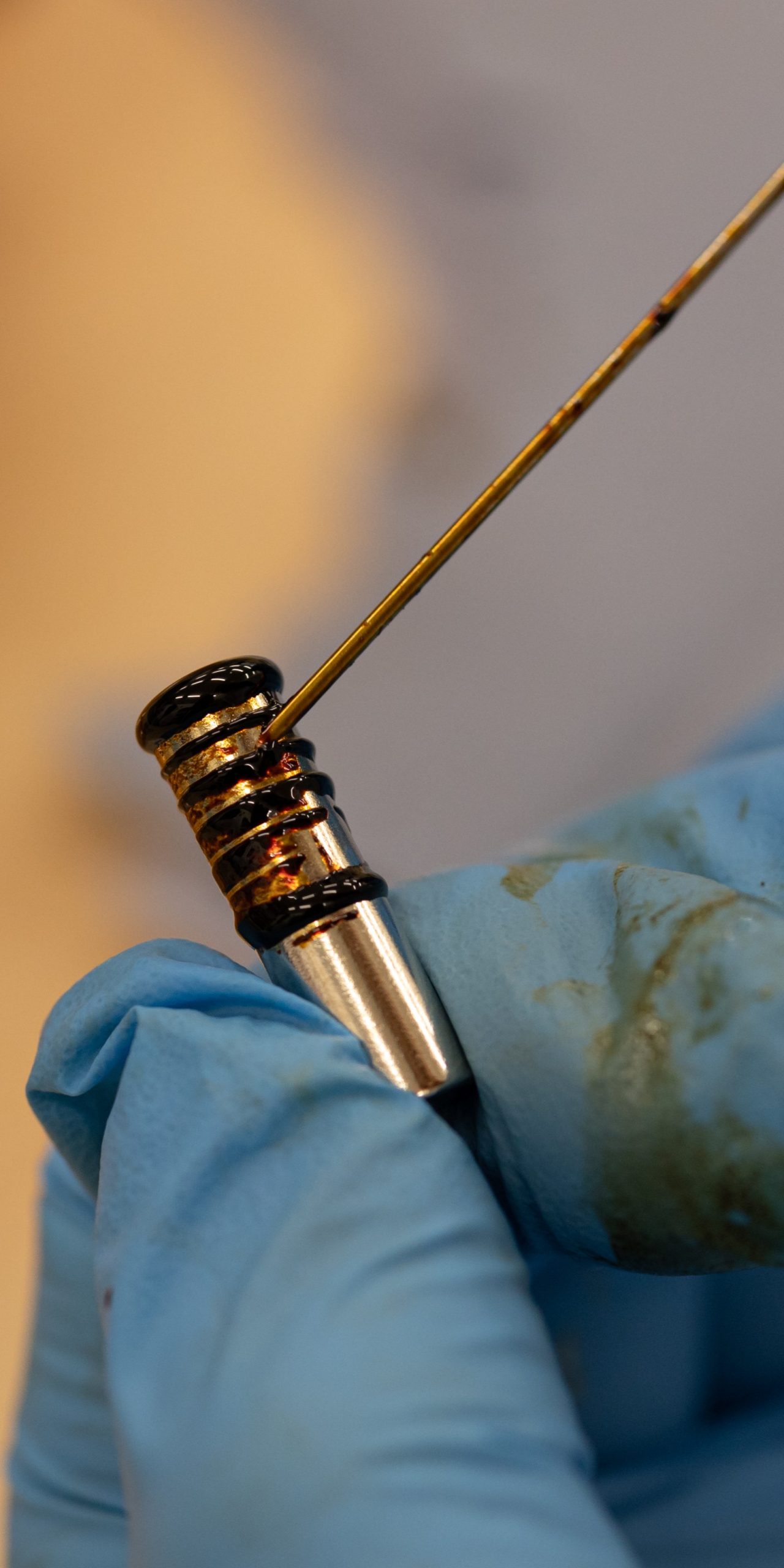
The first part of the experiment is an electrical switch. Galinstan, an electrically conductive liquid metal, connects two electrical contacts. By switching an electropermanent magnet on and off, a droplet of ferrofluid can be moved to a point where it interrupts the current flow. This allows large electrical currents to be switched without moving parts. A similar electrical switch has already been tested as part of our FARGO project, but the version in this experiment uses an alternative fluid combination and newly developed electropermanent magnets, which will be tested in microgravity for the first time.
Ferrofluid-Pump
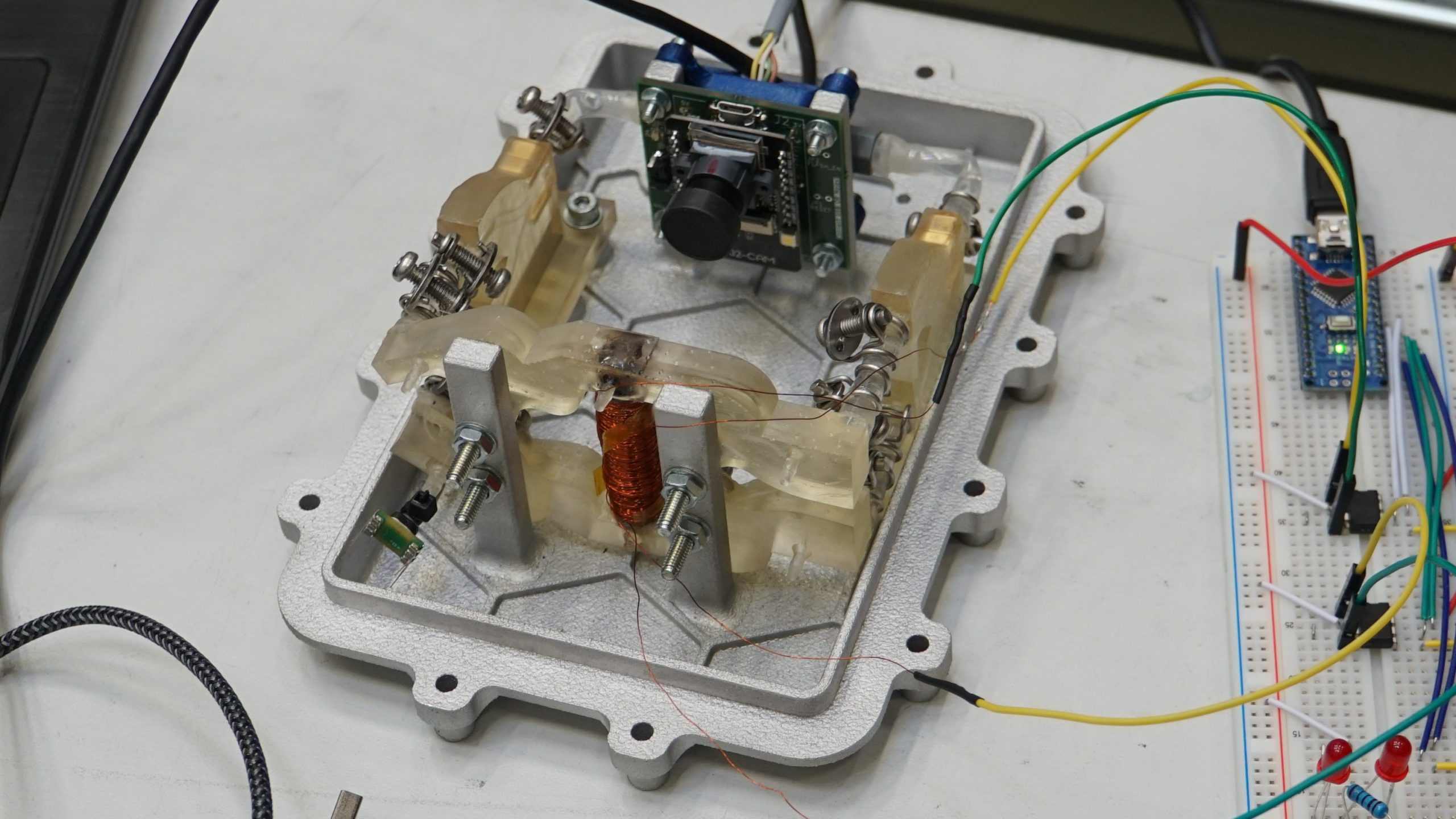
The second part of the experiment is a pump that uses ferrofluid to move a secondary fluid. In this pump design, neodymium magnets, moved by electromagnets, are used as pistons and valves. The ferrofluid on the magnets reduces friction and seals the pump. This design is similar to the displacement pump in our FerrAS project, but it uses two channels instead of one to move the secondary fluid. Theoretically, this doubles the maximum possible pumping rate while keeping the number of moving parts the same.
REXUS 34
The REXUS/BEXUS program is being implemented under a bilateral agency agreement between the German Aerospace Center (DLR) and the Swedish National Space Agency (SNSA).
The Swedish share of the payload was made available to students from other European countries through a collaboration with the European Space Agency (ESA). EuroLaunch, a cooperation between the Swedish Space Corporation (SSC) and the Mobile Rocket Base (MORABA) of the German Aerospace Center (DLR), is responsible for campaign management and the operation of the launch vehicles.
Experts from DLR, SSC, ZARM, and ESA provide technical support to the student teams throughout the project. REXUS and BEXUS are launched from SSC, Esrange Space Center in northern Sweden.
Curious?
The REXUS / BEXUS program offers the opportunity to test experiments in weightlessness as a student team on an annual cycle.
It’s worth a visit!
Timeline
Selection-Workshop DLR
In November 2023, we participated in the selection workshop of the German Aerospace Center (DLR). After a preliminary selection, we were invited to present our project. Our presentation impressed the jury, and we advanced to the next phase of the selection process.
Decision on selection for the REXUS program
In December 2023, we received official confirmation that our "FINIX" project had been selected for the REXUS program. This decision allowed us to test our experiments on board the REXUS rocket.
PDR (Preliminary Design Review)
The Preliminary Design Review (PDR) took place in February 2024. We presented our well-prepared documentation and passed the first major review without any problems. At that time, our experiments were still undergoing an extensive testing cycle to optimize the design.
CDR (Critical Design Review)
The Critical Design Review (CDR) in June 2024 marked a crucial point in the development of "FINIX". The CDR was accompanied by a design freeze, meaning that all experimental components and mechanical interfaces had to be finalized before the presentation.
IPR (Integration Progress Review)
In August 2024, we conducted the Integration Progress Review (IPR). We were able to convince a jury from the German Aerospace Center (DLR) and the Center for Applied Space Technology and Microgravity (ZARM) at the University of Bremen with functioning experiments in our club workshop.
EAR (Experiment Acceptance Review)
The Experiment Acceptance Review (EAR) took place in November 2024. This review served to confirm the readiness of our experiments for integration into the REXUS rocket.
Integration Week
In December 2024, we will travel to Bremen to integrate our flight hardware. At ZARM, we will integrate our experiments into the REXUS payload and prepare for the upcoming tests.
Bench Test
We will conduct the bench test in January 2025. This test serves to verify the functionality of our experiments under realistic conditions and to ensure that they meet the requirements of spaceflight.
Launch Campaign
In March 2025, we will participate in the REXUS launch campaign at the Esrange Space Center in northern Sweden. Our experiments will be launched on a REXUS rocket, allowing us to conduct valuable tests in microgravity.


Ferrofluids
Ferrofluids are fascinating materials consisting of tiny magnetic particles suspended in a liquid. These particles are often made of iron or iron oxides and typically measure only a few nanometers in size. The unique property of ferrofluids is that they respond to magnetic fields. When an external magnetic field is applied, the magnetic particles align themselves and create impressive visual effects, ranging from waves to pointed structures.
The discovery of ferrofluids dates back to the 1960s, when they were originally developed for use in space travel. The idea was to stabilize the liquids in gyroscopes used in satellites. Since then, the field of application has expanded considerably. Today, ferrofluids are used in technology, medicine, and art.
In engineering, ferrofluids are often used in seals and loudspeakers to control vibrations and reduce noise levels. In medicine, they could be used in targeted drug delivery by concentrating in specific areas of the body in response to magnetic fields. This could potentially facilitate the treatment of tumors by transporting drugs directly to the diseased cells.
We want you!
Has FINIX sparked your interest? We are always looking for new members!
Whether you are just starting your first semester or are already an aerospace expert, and regardless of what you are studying, we can find an exciting position for everyone in our team. All of our projects are organized into subsystems that are responsible for different areas. If you already know what you are interested in, please contact us!
Participation in FINIX is no longer possible due to the completion of the project, but there are always subsequent projects that you can join.
FINIX Subsystems
Project Management
Our all-rounders who hold the project together. They keep an eye on deadlines, manage communication, and organize team events. Experienced association members create the framework for a successful project.
Science
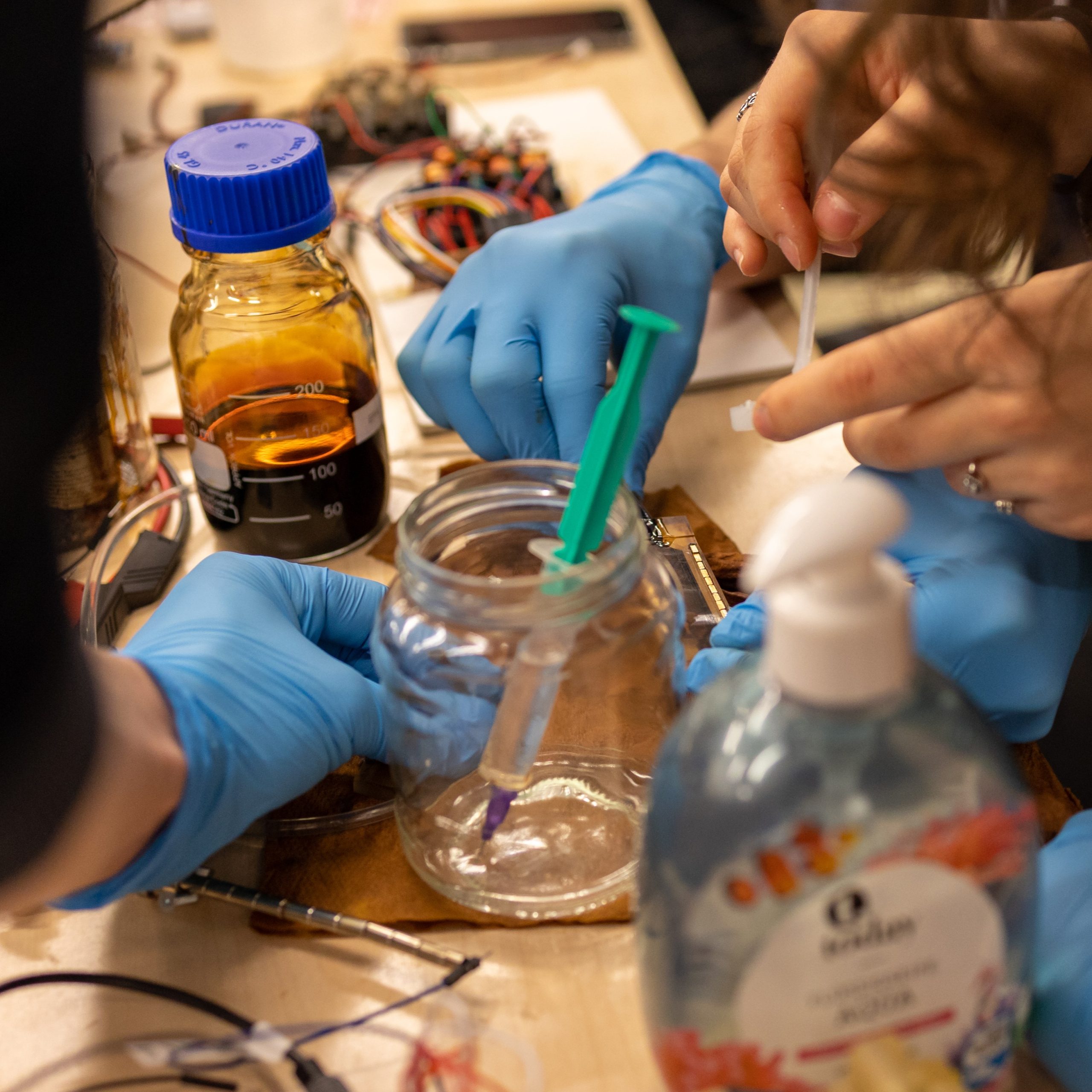
The science team is responsible for developing, testing, and building the pump circuits. We always have to communicate with the other subsystems in order to set requirements and remain within the limits of what is technically possible.
Mechanics
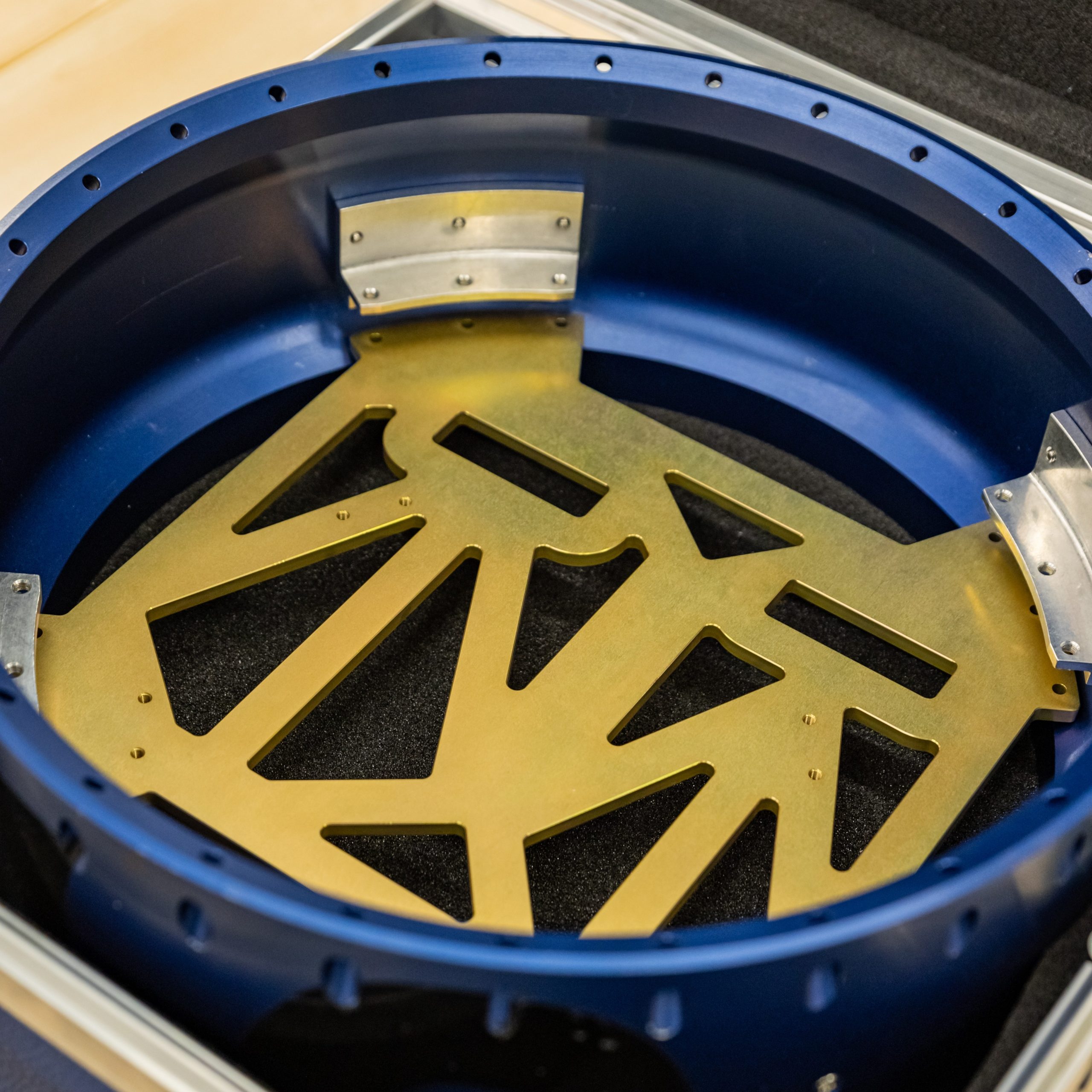
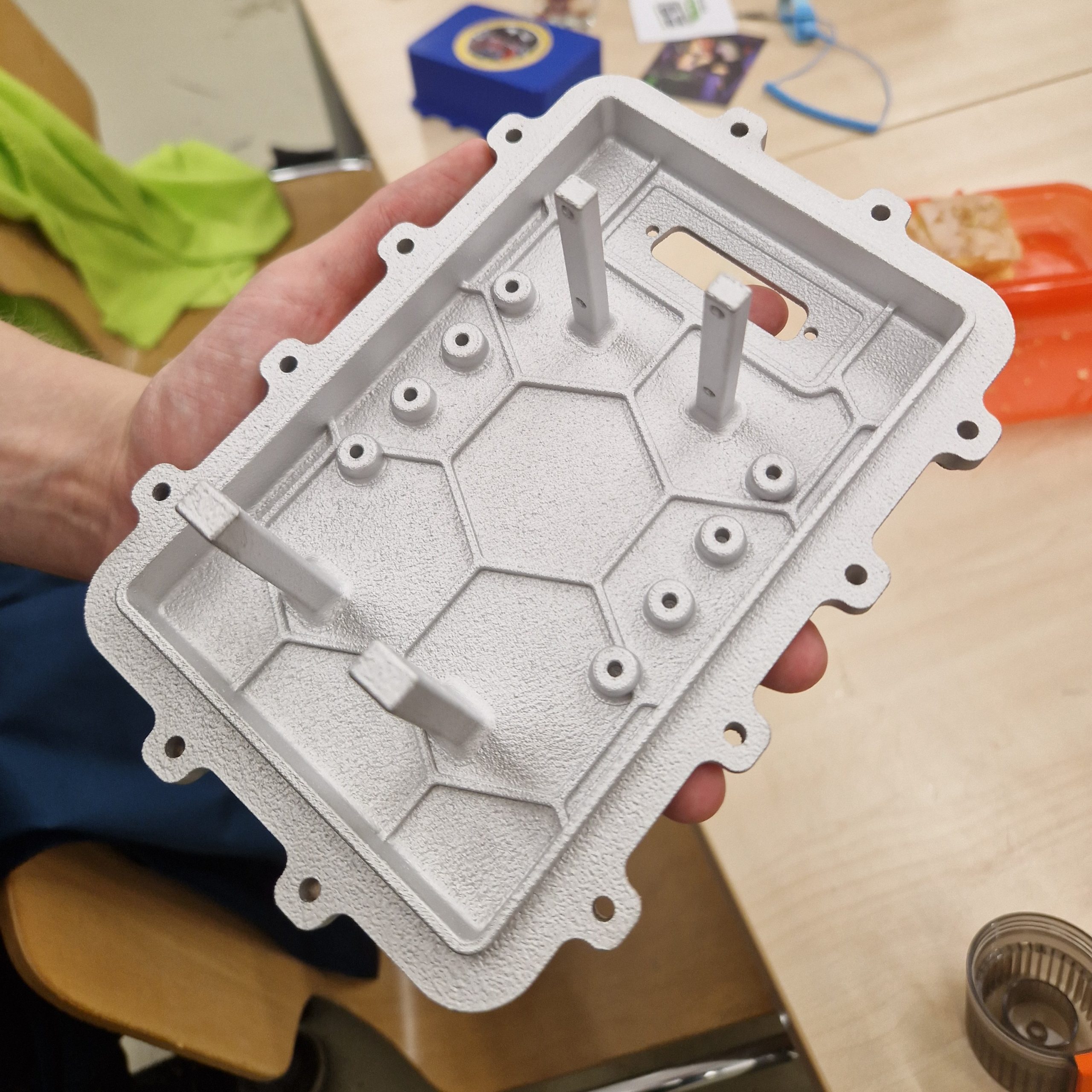
If FINIX fell apart during launch, a lot of work would have been wasted. To prevent this from happening, Mechanics is developing the structure of our experiments to meet a wide range of requirements, such as strength, tightness, and ease of assembly.
Electronics
This is where the electronic design of the individual experiments and the overall system is carried out. Everything from the power supply and experiment control to data communication and storage is implemented on circuit boards developed in-house.
Software
Both our mainboard and our experiment boards run software that ensures experiment operation and communication. The team must address the specific challenges of a REXUS mission—if the software doesn’t work, the project doesn’t work.
Gallery

Supporters and Sponsors