BUBBLE
BUoyancy Balloon Bus Lifted Experiments
Our Payloads
BUBBLE 1
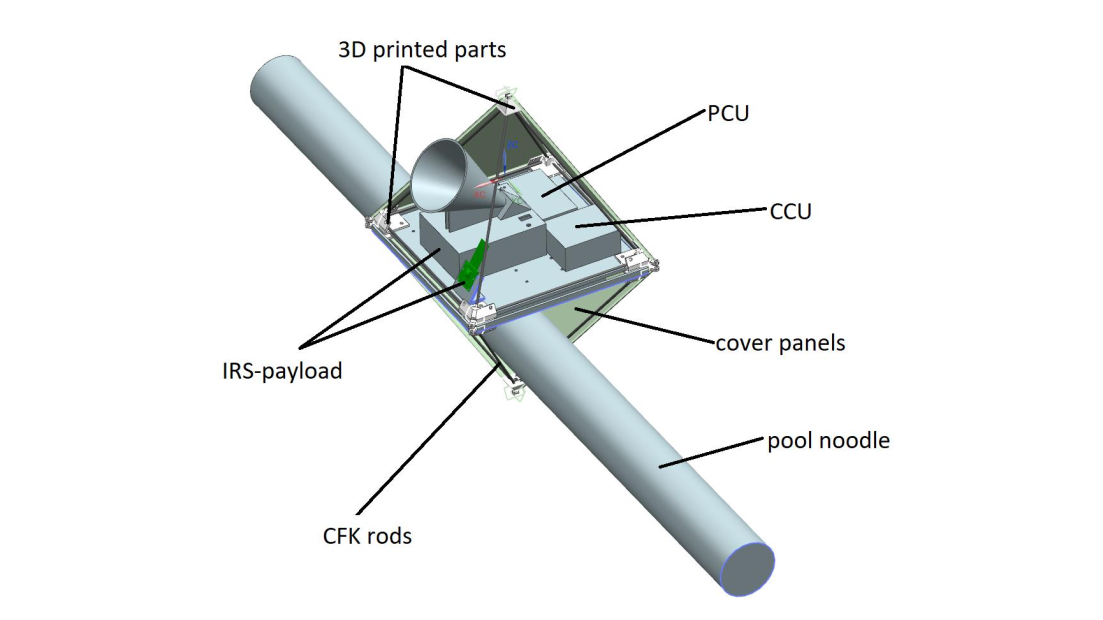
The payload of BUBBLE 1 came from the Institute of Space Systems (IRS) at the University of Stuttgart. It consisted of two sensors that measure the brightness of the sky. The measurement was carried out during the daytime to record the decrease in scattered light during the ascent. In other words: How black is the sky at an altitude of 30 km? A GoPro mounted above the gondola recorded approximately the first half of the ascent before the battery ran out. This was expected, as the camera was mounted shortly before launch and was equipped with no additional battery and only minimal thermal insulation.
BUBBLE 2
BUBBLE 3
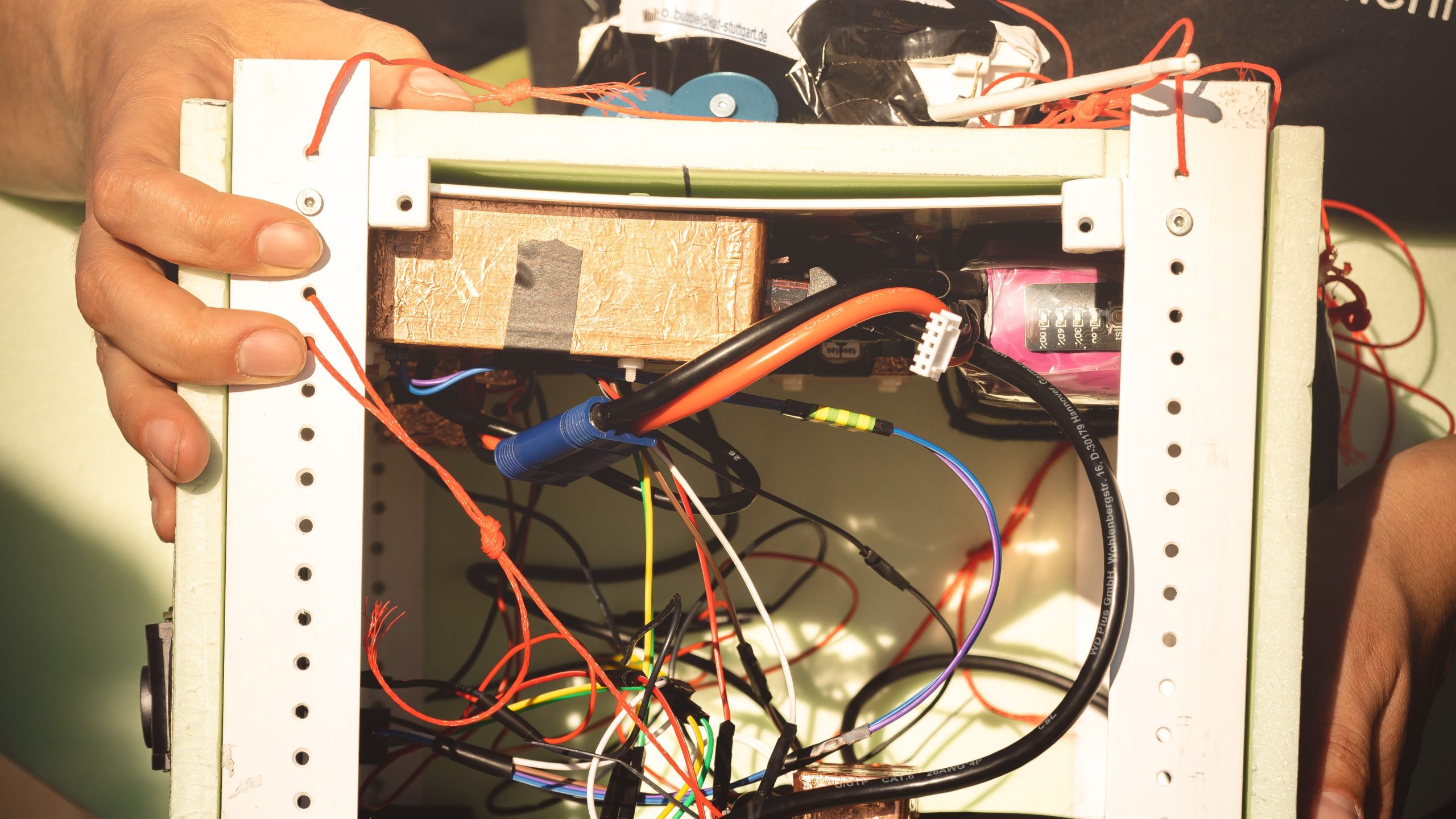
For the third iteration of BUBBLE, we used a new gondola design that was easier to assemble than the double pyramid shape used in previous missions. Inside, an easily adaptable shelving system was implemented to accommodate the various payloads. The payloads included temperature sensors to obtain spatially high-resolution temperature data from different areas of the gondola. In addition, a prototype flight termination system was tested, which will later be used to cut the cord between the balloon and the parachute.
Commercial Payloads
If you are interested in launching a payload with the successor to BUBBLE, our PARSEC project, then please contact us! We are happy to accept any commercial payload that needs to be tested on weather balloons. We also offer various interfaces for conducting experiments, and we would be happy to discuss the details with you.
Timeline
Construction begins, tests underway
Slowly but surely, BUBBLE 1 is taking shape. Each subsystem is actively planning, building, coding, and testing.
Successful flight of BUBBLE 1
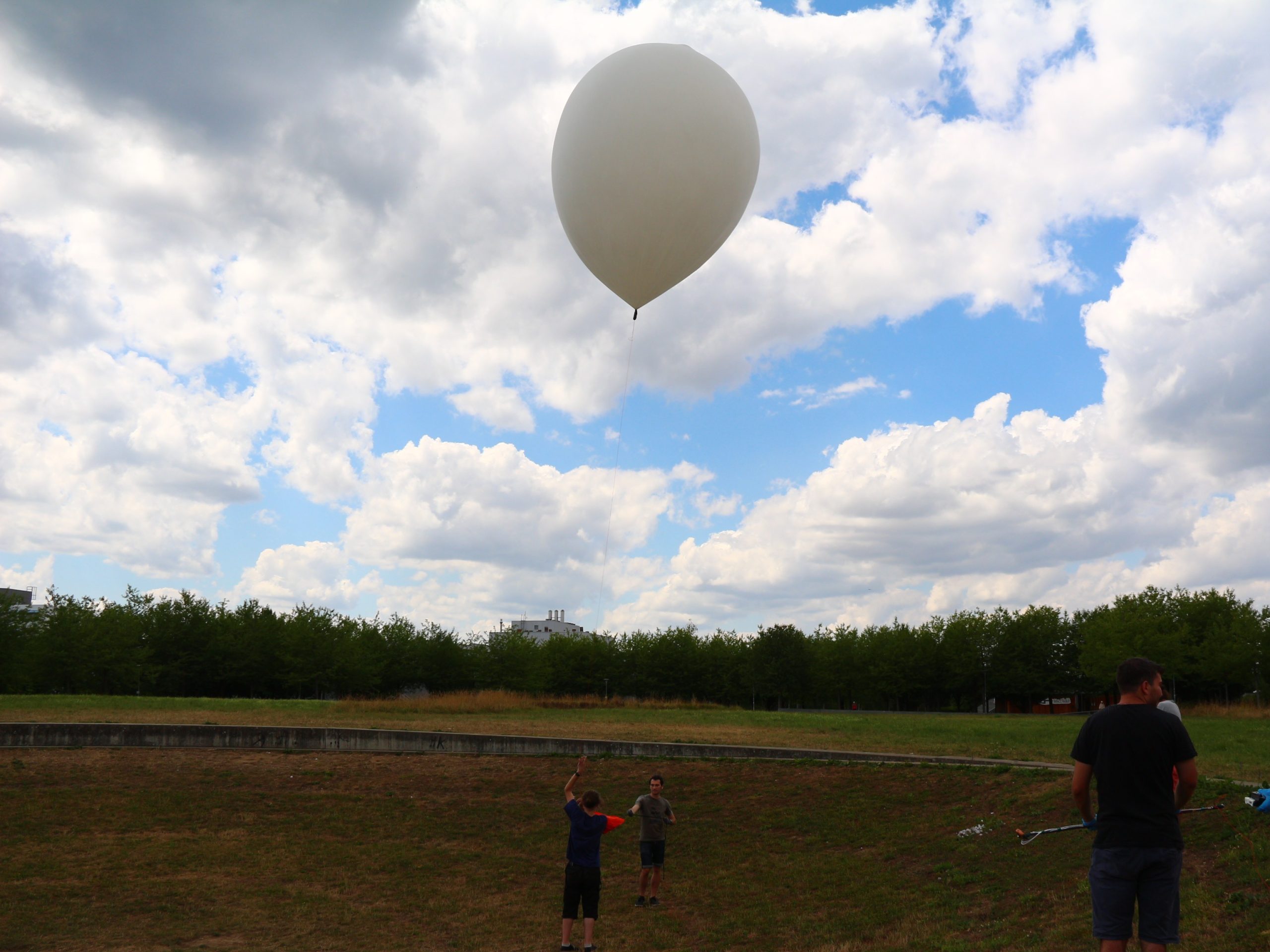
BUBBLE 1, the first high-altitude research balloon from the University of Stuttgart's student small satellite group, is finally ready to launch. It took a long time for the weather to cooperate and allow for a launch. The reason was the wind, which would otherwise have carried BUBBLE 1 many kilometers away or even over the Alps. On one of the coldest days of the month, the wind was favorable and the BUBBLE team met at 9 a.m. to prepare for the launch. After a few final difficulties with the software, the team was able to head to the launch site at around 1 p.m.
BUBBLE team tests tracking and recovery
To practice tracking and recovery for its own upcoming launch, the BUBBLE team helped track a private high-altitude research balloon – a camera and some personal items were flown into the stratosphere as payload. After launching near the University of Stuttgart, the balloon reached an altitude of approximately 34.8 km during a two-hour flight and landed in a wooded area.
BUBBLE 2 ready for launch
With summer temperatures on the rise, BUBBLE 2 has successfully completed its system test—a critical milestone in the launch preparations. During the 2.5-hour test run, every function was tested, including reliable radio communication, battery performance, and accurate data recording, and no problems were found.
BUBBLE 2 successfully launched
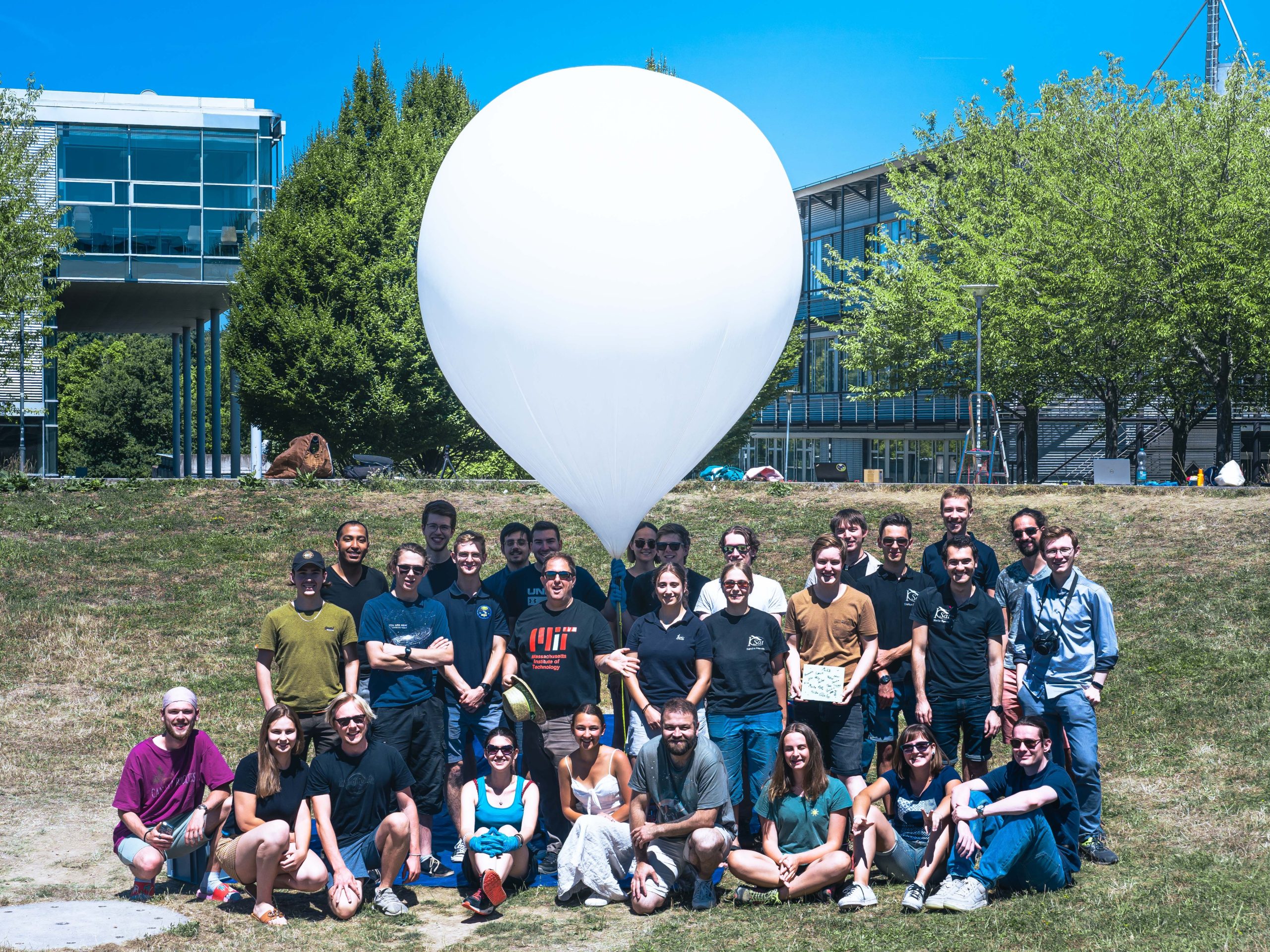
With an outside temperature of 30°C in Stuttgart, the team gathered on the university campus in Vaihingen, all with negative coronavirus tests, to make the final preparations for the balloon launch. A flight time of roughly 3 hours had been calculated in advance. On windless days, the balloon does not fly too far away, which makes tracking it easier, so on this day, too, everything could be tidied up, the water bottles refilled, and ice cream eaten before setting off.
BUBBLE 3 also launched successfully
This summer was crowned with successful launches. The new gondola design was verified with BUBBLE 3.
Student Weather Balloons
Student experiments aboard weather balloons offer a unique opportunity to explore the upper layers of the atmosphere. Weather balloons, which often ascend into the stratosphere, carry sensors and measuring instruments that allow students to collect data on temperature, pressure, humidity, and radiation. These conditions, which resemble the Martian atmosphere, make weather balloons a cost-effective platform for experiments exploring extraterrestrial environments. Such projects promote hands-on learning and interdisciplinary collaboration, as they combine knowledge from physics, meteorology, engineering, and computer science.
Developing experiments for weather balloons presents students with real technical challenges, such as designing robust measuring instruments that can withstand extreme temperatures and low pressures. In addition, payloads must be lightweight and aerodynamic so as not to compromise the balloon’s limited lift. In addition to the hardware, the software is also crucial: sensors must be programmed and data logging systems developed that operate autonomously during flight. Such challenges offer students an excellent opportunity to acquire valuable skills in project management and technical problem solving. These experiments not only contribute to the education of the next generation of scientists and engineers, but also provide valuable data for science.
We want you!
Has BUBBLE sparked your interest? We are always looking for new members!
Whether you are just starting your first semester or are already an aerospace expert, and regardless of what you are studying, we can find an exciting position for everyone in our team. All of our projects are organized into subsystems that are responsible for different areas. If you already know what you are interested in, please contact us!
Participation in BUBBLE is no longer possible due to the termination of the project, but the further developed PARSEC project is always looking for new members!
Software runs on both the main computer and each additional microcontroller to ensure operation and communication between the components. The team must address the specific challenges of the payloads. If the software doesn’t work, the project doesn’t work!
BUBBLE Subsystems
Project Management
Our all-rounders who hold the project together. They keep an eye on deadlines, manage communication, and organize team events. Experienced association members create the framework for a successful project.
Structure
The Structure subsystem is responsible for the mechanical part of the capsule, primarily the development and manufacture of the housing and the mechanical interfaces to the payloads. The Structure team must also define the specifications for the paid payloads so that they can be seamlessly integrated.
Electronics
In addition to selecting suitable components, the electronics team is also responsible for the electronic design of the individual circuit boards and experiment connections, as well as the layout of the overall system. Tasks ranging from power supply to data communication and storage are performed on circuit boards, some of which were developed in-house.
Software
Software runs on both the main computer and each additional microcontroller to ensure operation and communication between the components. The team must address the specific challenges posed by the payloads. If the software doesn’t work, the project doesn’t work!
Supporters and Sponsors