PARSEC
PArafoil Recovered Stratospheric Experiment Carrier
Your Experiment in the Stratosphere!
Are you interested in flying a payload with our PARSEC project? We will handle the planning, permitting, and execution of the flight for you. Our system provides power for your experiment and enables the recording, transmission, and reception of data via various user-friendly interfaces.
We would be happy to advise you on the planning and answer any further questions. Please don’t hesitate to contact us!
The maximum payload mass is usually 3kg.
Timeline
Starting signal
The TANA Maiss Foundation has approved two grant applications from the BUBBLE team. The funding will support the further development of the tracking and telemetry system as well as the testing of a steering parachute for controlled landings. The foundations for the evolution of BUBBLE into PARSEC have been laid.
First flight attempts
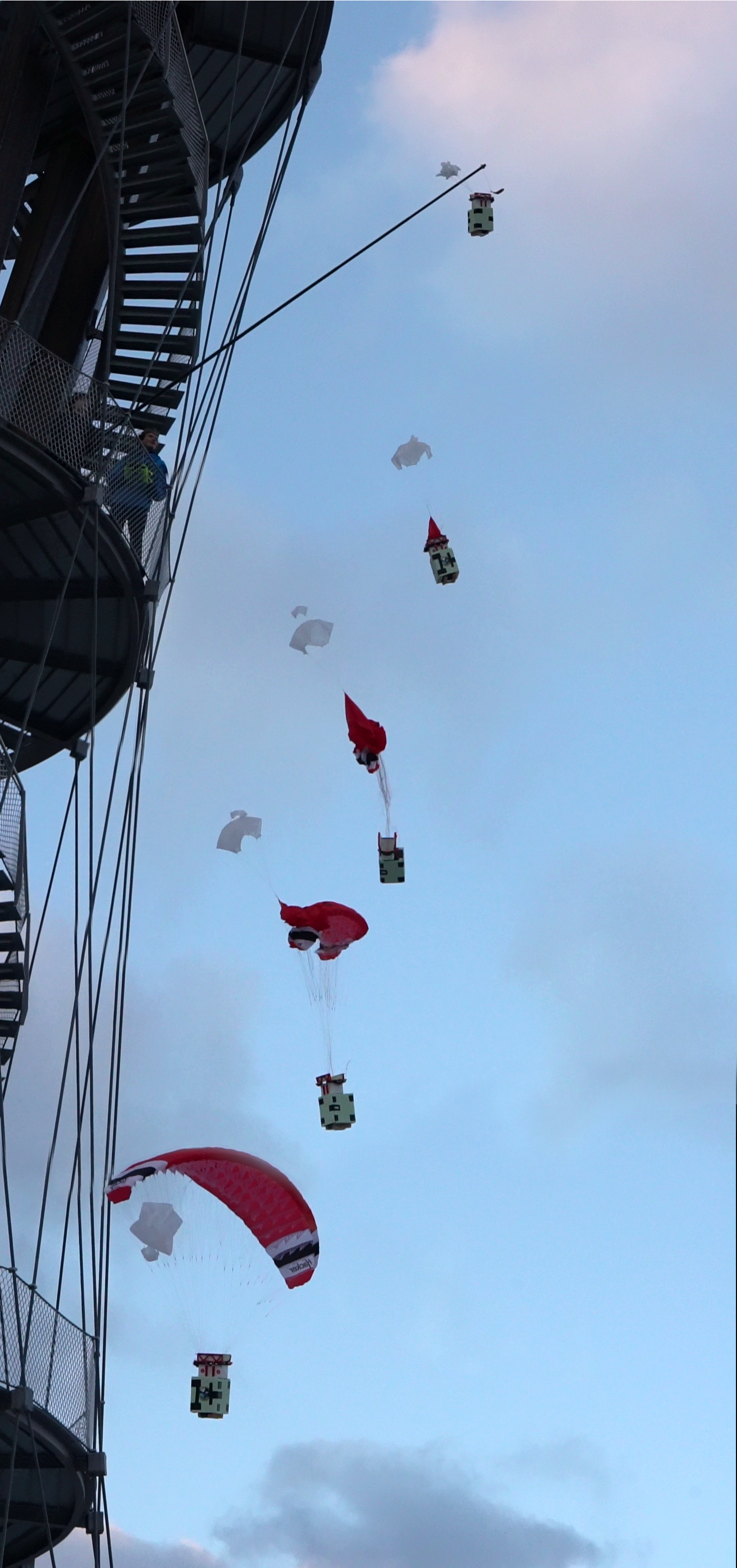
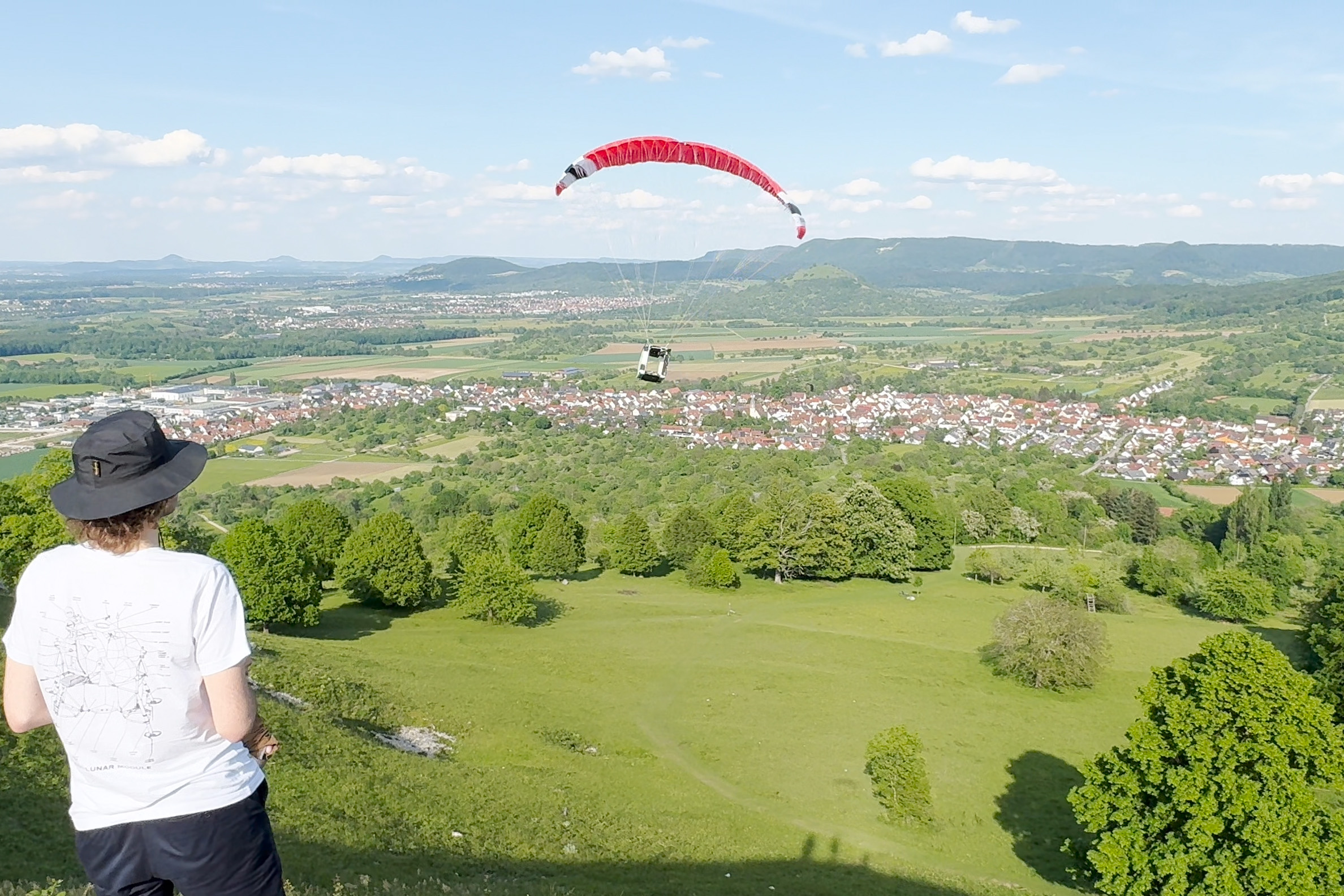
Opening a steering parachute from a stowed position is significantly more complex and prone to error than with a run-canopy parachute. Therefore, the team is beginning a series of drop tests to test various release mechanisms. Gliding tests will also be used to characterize the system's flight dynamics.
ESA-PAC Symposium
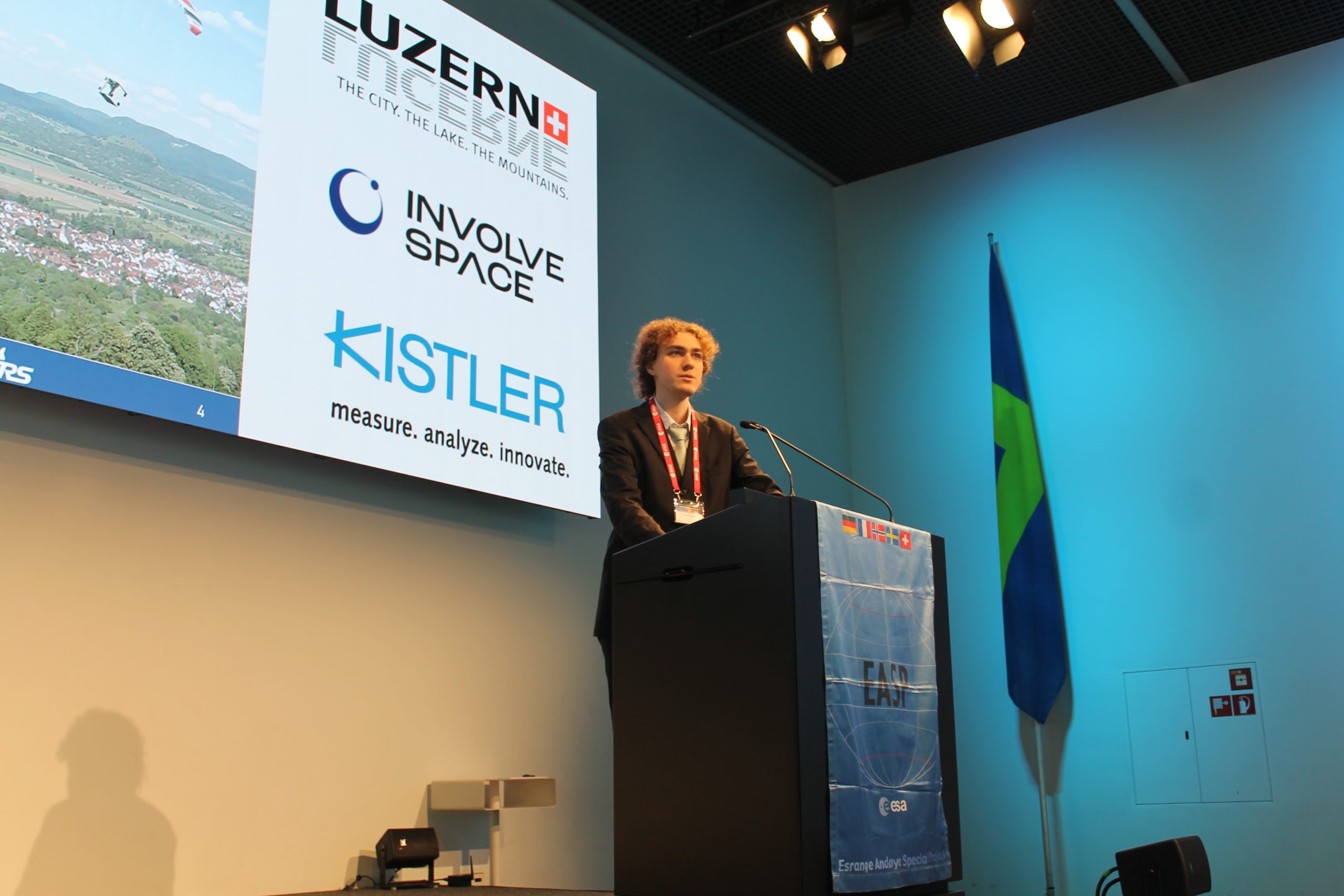
The team took the opportunity to present their new ideas and developments in four presentations at the "26th ESA Symposium on European Rocket and Balloon programmes" in Lucerne.
Flight control
Using the flight dynamics data obtained from previous tests, the design of control algorithms begins. Most of this work is carried out within the framework of a bachelor's thesis, which focuses on simulating the final approach and landing phase of a mission.
First flight
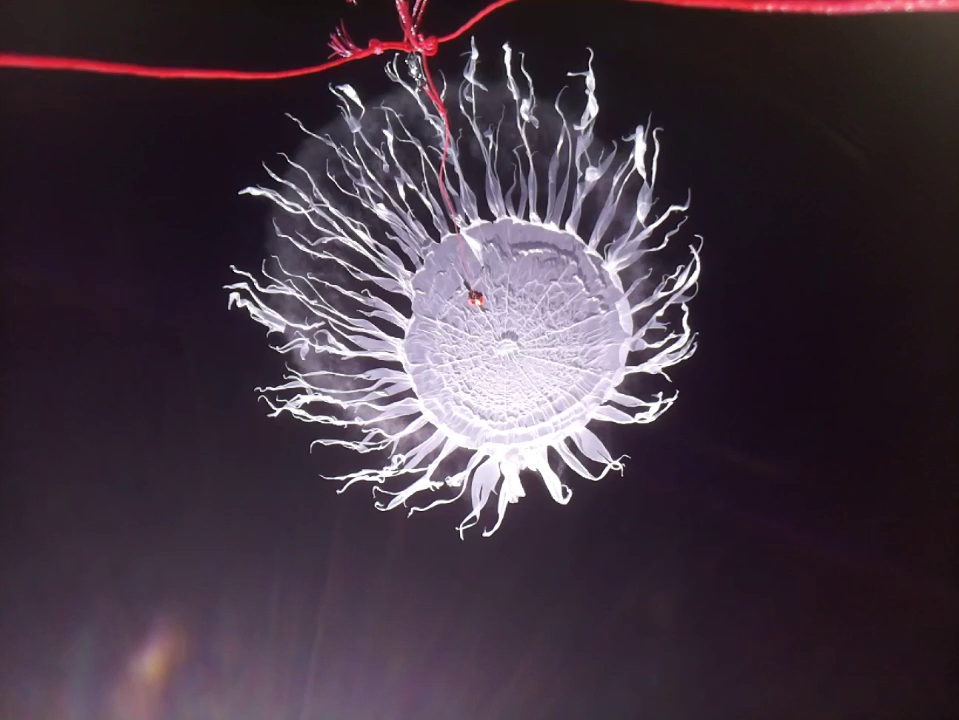
Although the team is currently primarily occupied with testing and new developments, the first flight under the new banner was nevertheless successful: PARSEC I took off from the university campus and successfully tested a new Flight Termination System (FTS) and a gimbal that can be used to control the orientation of future scientific payloads.
PARSEC II
Following a previous collaboration on BUBBLE, PARSEC will again carry a payload from the Institute for Photovoltaics (IPV). The goal is to test innovative perovskite solar cells in a near-space environment. This mission serves as a test run for a future IPV payload on the Institute for Space Systems' ROMEO satellite.
Student Weather Balloons
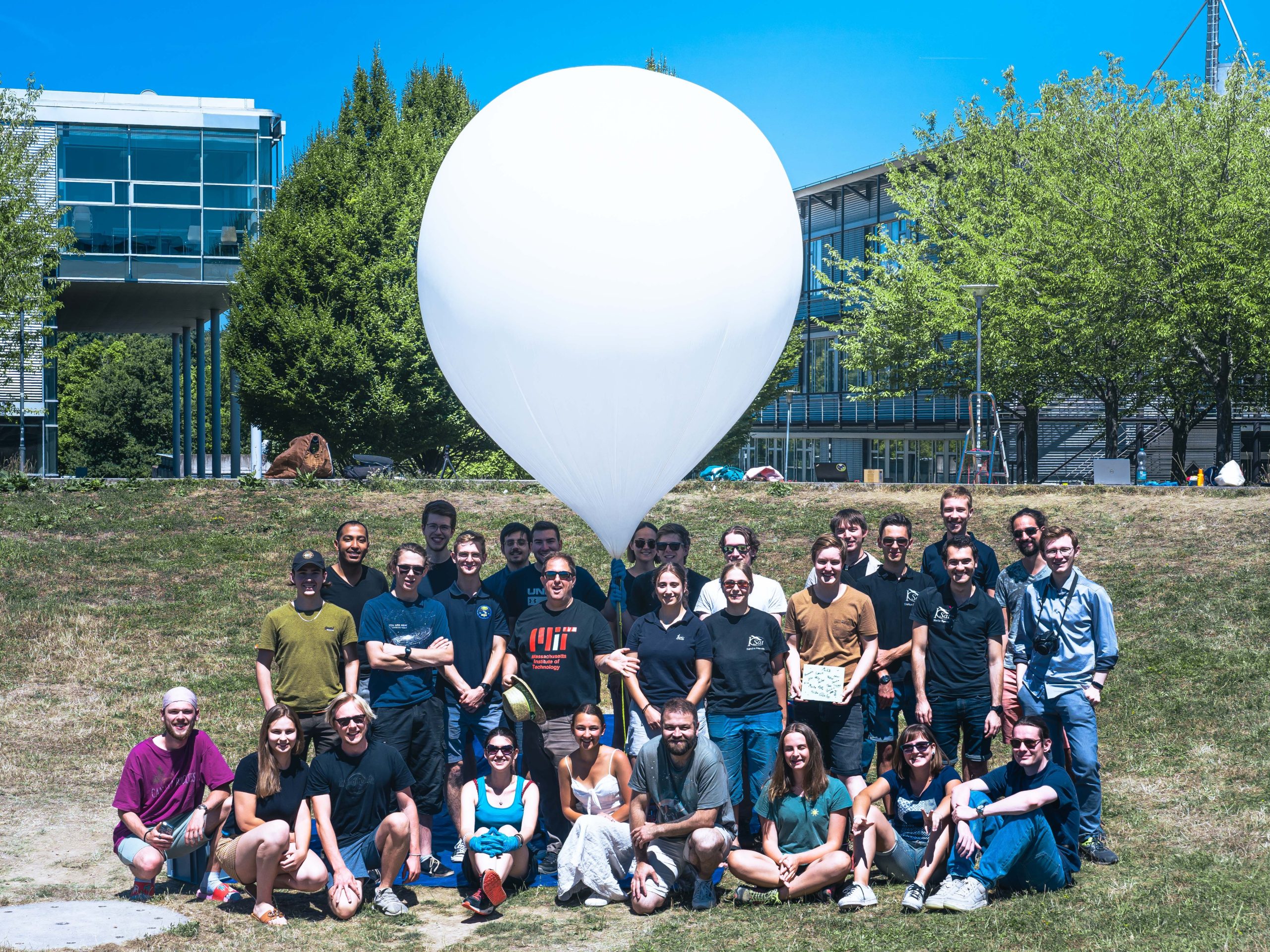
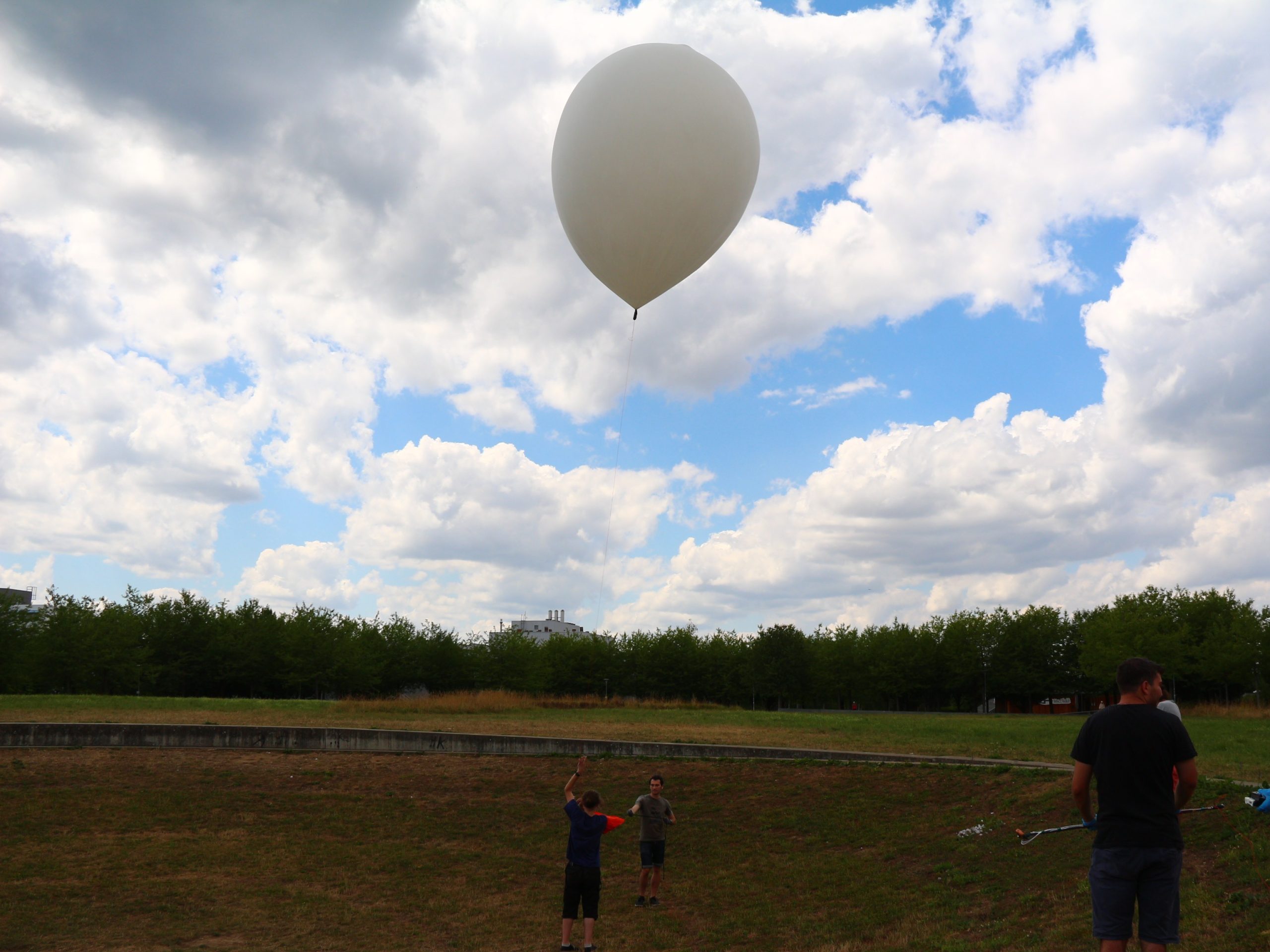
Student experiments aboard weather balloons offer a unique opportunity to explore the upper layers of the atmosphere. Weather balloons, which often ascend into the stratosphere, carry sensors and measuring instruments that allow students to collect data on temperature, pressure, humidity, and radiation. These conditions, which resemble the Martian atmosphere, make weather balloons a cost-effective platform for experiments exploring extraterrestrial environments. Such projects promote hands-on learning and interdisciplinary collaboration, as they combine knowledge from physics, meteorology, engineering, and computer science.
Developing experiments for weather balloons presents students with real technical challenges, such as designing robust measuring instruments that can withstand extreme temperatures and low pressures. In addition, payloads must be lightweight and aerodynamic so as not to compromise the balloon’s limited lift. In addition to the hardware, the software is also crucial: sensors must be programmed and data logging systems developed that operate autonomously during flight. Such challenges offer students an excellent opportunity to acquire valuable skills in project management and technical problem solving. These experiments not only contribute to the education of the next generation of scientists and engineers, but also provide valuable data for science.
We want you!
Has PARSEC sparked your interest? We are always looking for new members!
Whether you are just starting your first semester or are already an aerospace expert, and regardless of what you are studying, we can find an exciting position for everyone in our team. All of our projects are organized into subsystems that are responsible for different areas. If you already know what you are interested in, please contact us!
If you’re still unsure what you’d most like to work on, you’ll find an overview below of the subsystems and work areas into which PARSEC is divided. Our project is also particularly well-suited for theses (Bachelor’s or Master’s), so don’t hesitate to approach us with new ideas.
Participation in PARSEC is possible at any time and for everyone; feel free to write to us for more details.
PARSEC Subsystems
Project Management and Systems Engineering
The key here is keeping the project on track. Deadlines must be met, permits applied for, and funding secured. Communication and collaboration – both within the team and with external project partners – also need to be coordinated.
The systems engineers define interfaces between the various subsystems and payloads, keep an eye on mass and power budgets, and are responsible for the structured execution of tests and balloon launches.
Experienced club members are creating a framework for a successful project.
Structure
This subsystem is responsible not only for the development and manufacturing of the gondola, but also for the connection to the balloon and parachutes. Mechanisms must be designed to end the ascent and to reliably open and control the parachutes.
Avionics
The avionics team takes care of (almost) all the electronics and software that flies into the stratosphere. Their main task is the payload onboard computer (PLOC), which is responsible for communication with the payloads and data storage.
Furthermore, separate circuit boards must be designed, assembled and tested for the power supply and the flight controller.
Telecom
This team is responsible for ensuring reliable radio communication between the balloon and tracking vehicles. This requires developing hardware and software for use in the stratosphere and at ground stations.
Nothing can go wrong here – if the connection fails, we won’t know where PARSEC has landed and we’ll lose our payload.
GNC
GNC stands for Guidance, Navigation and Control. This team is responsible for the flight control software that will one day safely guide PARSEC back to Earth.
Full flight simulation is also essential for flight planning and determining the start window.
Public Relations
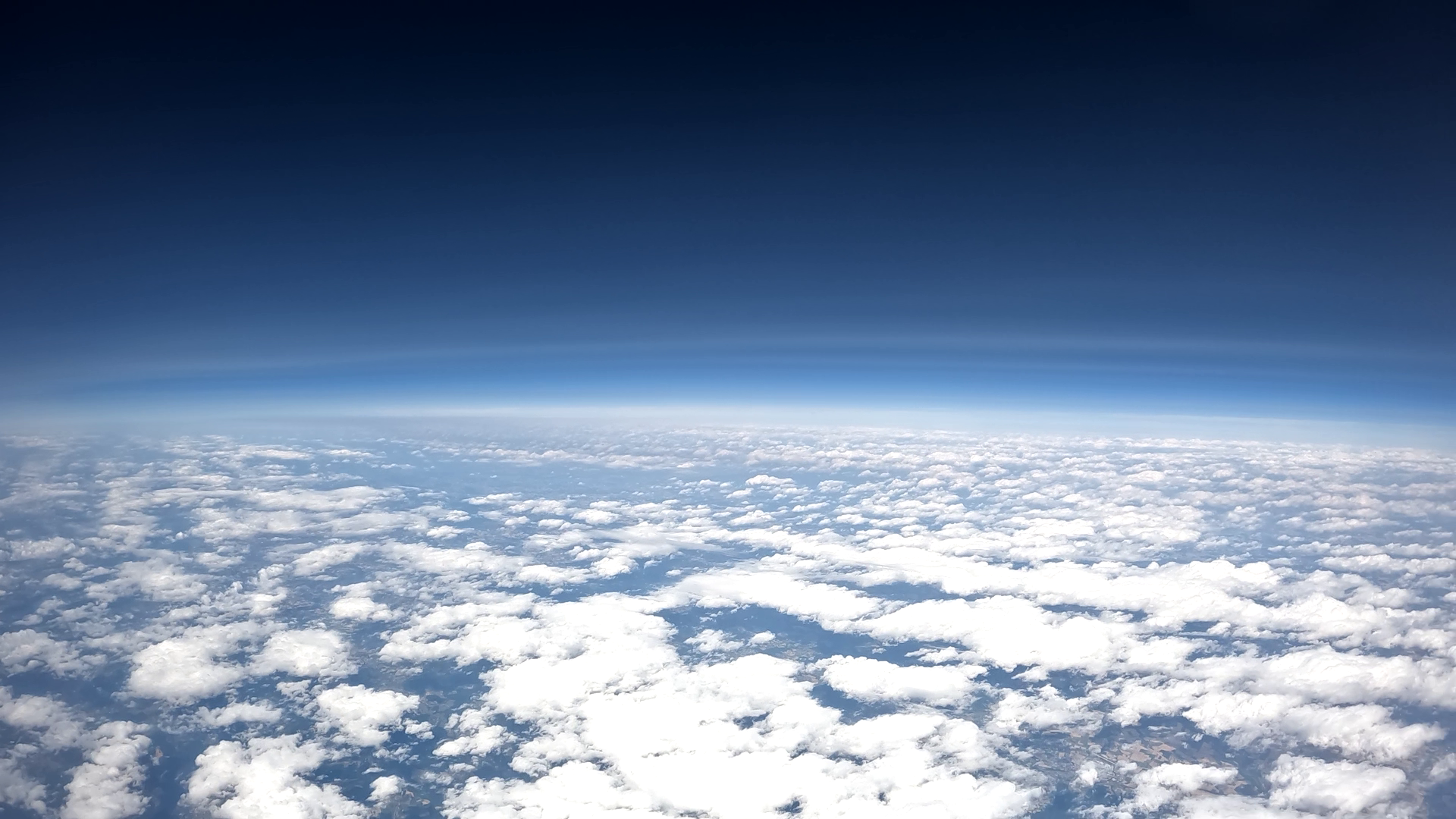
In addition to our passion for engineering, we also want to share the breathtaking beauty of our planet with the public from the unique perspective of the stratosphere.
Gallery
Supporters and Sponsors